

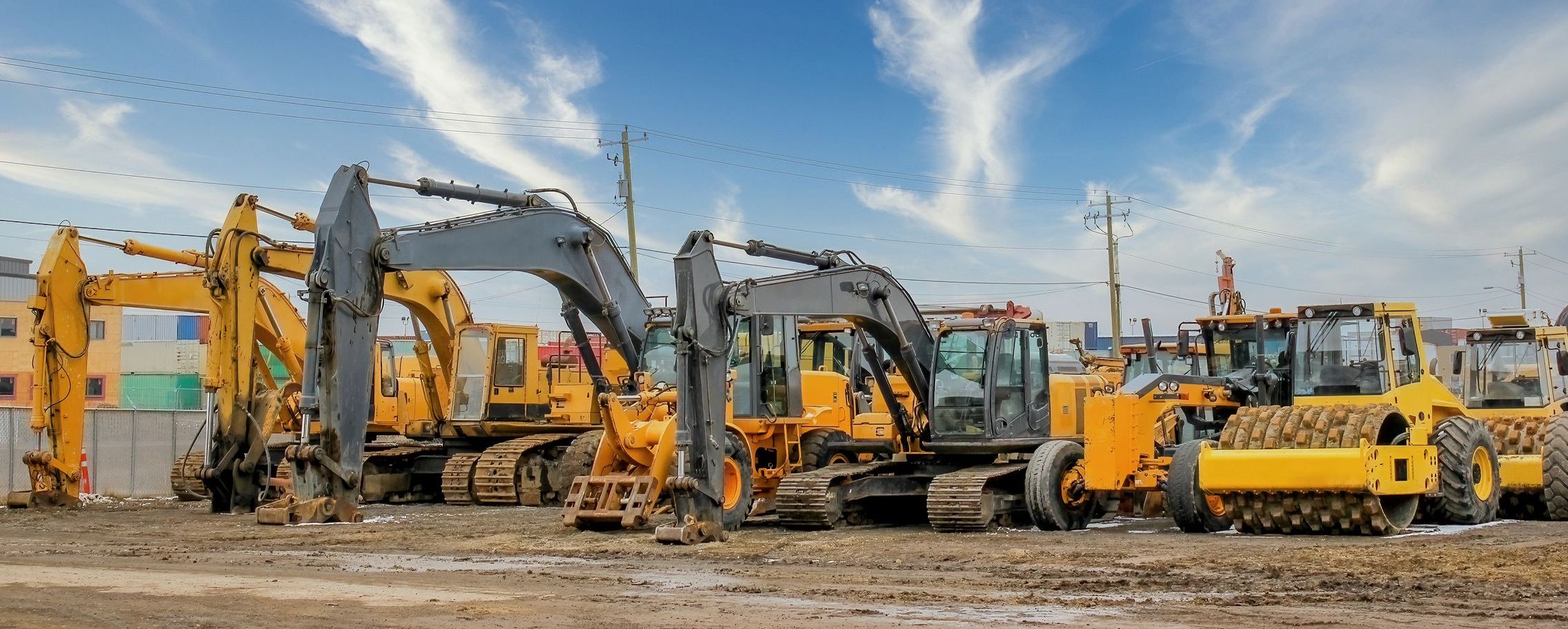

A mixed equipment fleet can accumulate several hydraulic connection styles as machines, attachments, and replacement parts are added over time. Operators may encounter different coupler profiles, body sizes, threads, and connection procedures on equipment expected to share the same tools.
The result can be longer changeovers, extra adapters, one-off replacement inventory and uncertainty about which attachment can be used on which machine.
A practical standardization plan brings order to those connection points. It documents what the fleet has, identifies where common specifications make sense and establishes an approved path for each equipment class.
The process also supports the broader goals covered in Stucchi’s Hydraulic Interchangeability for Mixed Fleets and Attachment Changeovers resource: consistent performance across machines, attachments and operators.
How Do I Standardize Coupler Specs Across a Mixed Fleet of Attachments?
Start with a complete audit of the fleet’s machines, attachments and hydraulic connection points. Group equipment that can realistically share an interface, define the required fit and performance specifications for each group, then convert the fleet in controlled phases.
The approved specification should cover physical interchangeability, flow, pressure, media, operating conditions and connection procedures so a coupler is not selected by appearance alone.
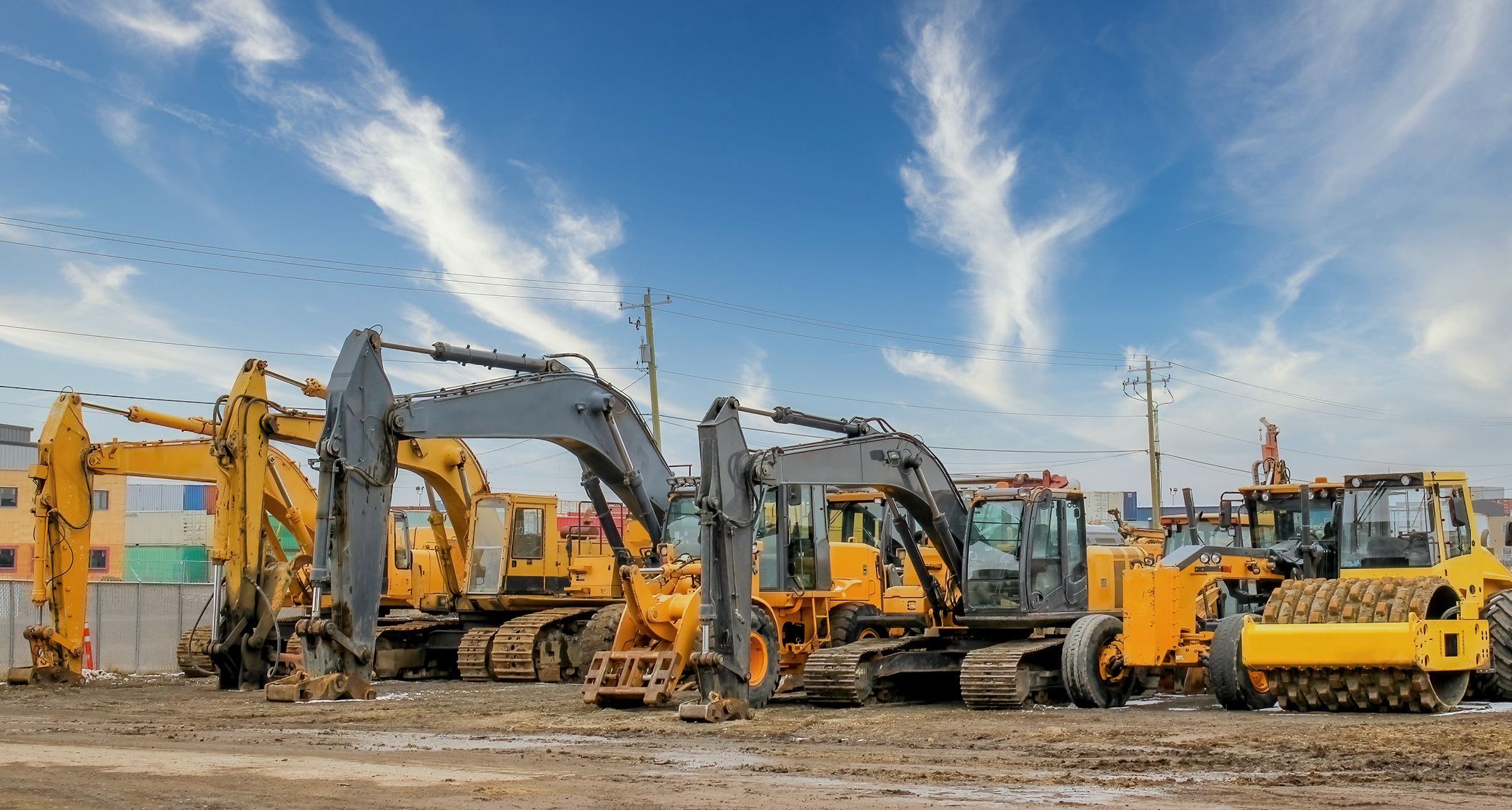
Standardization does not require one identical coupler on every piece of equipment. A skid steer, high-flow excavator attachment, snow-removal vehicle, and industrial test stand may place very different demands on the connection. The objective is to reduce unnecessary variation while preserving the specifications each application needs to operate safely and reliably.
Begin With a Fleetwide Hydraulic Connection Audit
The first step is to establish an accurate baseline. Create a record for every carrier machine and attachment, including equipment that moves among branches, job sites or rental locations. The audit should show which connections already work together, which require adapters and which create repeated service or changeover problems.
For each connection point, document:
- Machine and attachment manufacturer, model and asset number
- Current coupler profile, brand or series when known
- Coupler body size, face diameter, thread type and port configuration
- Auxiliary hydraulic flow rate and working pressure
- Peak pressure, pressure spikes and residual-pressure conditions
- Hydraulic fluid or other media and required seal compatibility
- Operating temperature and environmental exposure
- Connection frequency, operator access and hose routing
- Recurring symptoms such as leakage, difficult connection, overheating, contamination or premature wear
Part numbers and equipment manuals can supply some of this information. When markings are worn, or the connection is unknown, Stucchi’s Physical ID Charts can help narrow the coupler type using its face, body and measurements. Clear photos of the coupler face, side profile, threads and the complete hose connection also make identification easier.
Separate Identification From Application Review
Identification confirms what is currently installed. Application review determines what should be installed going forward. Those answers may be the same when an existing connection performs correctly, or they may differ when a fleet is dealing with repeated leaks, difficult hookups, excessive heat, pressure drop or contamination.
The review described in Before You Replace a Hydraulic Coupler, Review the Application is especially useful during a fleet audit. A direct replacement can restore a worn connection, while a recurring issue may point to undersizing, trapped pressure, hose movement, an unsuitable seal or a connection process that needs to change.
Build Coupler Standards Around Compatible Application Groups
After the audit, organize machines and attachments into groups with comparable hydraulic requirements. Equipment may be grouped by carrier class, attachment type, flow range, pressure range, duty cycle or connection method. The grouping should reflect which assets genuinely need to share attachments and replacement parts.
Confirm Physical Compatibility
Start with the coupler profile, body size, thread and port arrangement. Couplers that appear similar can still use different interchange profiles or connection details. Confirm both halves of the connection and any adapters already in the circuit before assigning an approved specification.
Define the Hydraulic Performance Envelope
Record the minimum flow capacity and the maximum working pressure required for each group. Review peak pressure and pressure impulses separately, especially on demolition tools, compact equipment and other severe-duty attachments. A coupler can mate physically and still restrict flow, contribute to heat or lack the pressure capability required by the application. Stucchi’s hydraulic pressure drop guide explains why coupler sizing should be reviewed at the system’s actual flow rate.
Account for the Operating Environment
Dirt, mud, washdown, road salt, temperature extremes, corrosive media, vibration and frequent attachment changes can all affect the connection strategy. Documenting those conditions helps determine the appropriate coupler material, seal, locking system and contamination-control practices for the equipment group.
Use S.T.A.M.P. to Define Each Approved Specification
The S.T.A.M.P. coupling selection method provides a repeatable way to organize the requirements for each application group: size, temperature, application, materials or media, and pressure.
For fleet standardization, the method can become the foundation of an approved coupler specification sheet rather than a one-time purchasing checklist.
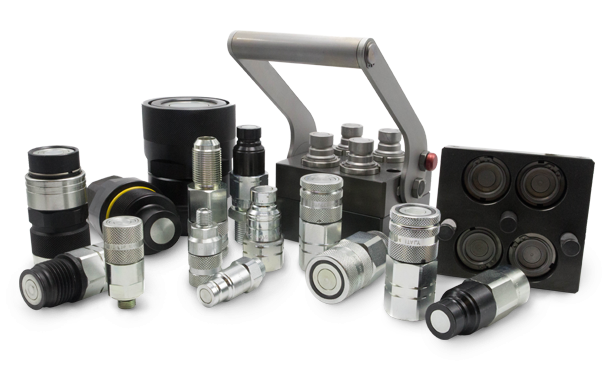
Each fleet standard should state the required interchange profile, size and port options along with the flow, pressure, temperature, media and duty-cycle limits. It should also document whether the application requires flat-face performance, connection under residual pressure, secondary locking, multiple-line connection or another application-specific feature.
Choose the Appropriate Connection Path for Each Equipment Group
Once the operating requirements are clear, the fleet can select a consistent connection path for each group. Several paths may be used across one organization.
Direct Interchange or Approved Replacement
A direct interchange may be appropriate when the existing interface supports the required flow, pressure and operating conditions. The approved list should still define acceptable profiles, sizes, threads and performance limits so future replacements remain consistent.
ISO 16028 Flat-Face Standardization
Flat-face couplers can support clean attachment changes and cross-brand interchangeability when both halves follow the same ISO 16028 profile and size. The application review must also confirm flow capacity, pressure rating and residual-pressure behavior because interchangeability alone does not establish complete hydraulic performance.
Connect-Under-Pressure Capability
Attachments that sit in the sun or hold trapped fluid can develop residual pressure that makes reconnection difficult. When this condition occurs repeatedly, the standardization plan should evaluate connect-under-pressure hydraulic couplers for the affected machine and attachment group. The connection procedure should also define how operators recognize and respond to pressure-lock conditions.
Multi-Coupling Plates
Equipment with several hydraulic lines, repeated changeovers or a history of crossed connections may benefit from multi-coupling plate systems. A guided plate creates a repeatable connection arrangement and can combine hydraulic lines with electrical, pneumatic or other media when the application requires it.
Custom or OEM Connection Architecture
Some fleets cannot be standardized through component replacement alone. Mounting constraints, machine layouts, multiple circuits or new equipment platforms may require an engineered interface, custom plate or OEM design-in review. Those applications should be separated from routine replacement work and documented as controlled configurations.
Convert the Fleet in Controlled Phases
An immediate fleetwide conversion is rarely necessary. A phased plan allows the organization to validate performance, manage inventory and avoid taking too much equipment out of service at once.
A practical sequence can include:
- Pilot the standard on one equipment group with frequent attachment changes or recurring connection problems.
- Verify fit, flow, pressure, connection force and operator access under real working conditions.
- Convert additional machines during scheduled maintenance, hose replacement or attachment service.
- Update purchasing specifications and approved replacement lists before placing the next stocking order.
- Label machines and attachments clearly so operators can identify compatible groups.
- Remove obsolete adapters and duplicate spare parts only after the conversion path is confirmed.
The rollout should also account for new equipment purchases. Adding the approved hydraulic interface to acquisition specifications can prevent the fleet from reintroducing unnecessary connection variations with every new machine or attachment.
Standardize the Connection Procedure Along With the Hardware
Consistent components work best with consistent handling. Operator and maintenance procedures should cover shutdown, pressure relief, cleaning, inspection, connection, disconnection, capping and storage. The procedure should also explain what to do when a coupler will not connect, leaks after engagement or shows signs of damage.
This operating layer is particularly important for rental fleets, municipal equipment groups and contractors with multiple crews. Clear procedures reduce improvisation and make it easier to distinguish a damaged component from a sizing, pressure or compatibility problem.
Keep the Fleet Standard Current
Treat the specification list as a maintained fleet record. Review it when equipment is acquired, attachments are transferred, recurring failures appear, or operating requirements change. Replacement history, service reports and operator feedback can show where the standard is working and where an application needs further review.
When the fleet does not have every measurement or specification, the Stucchi Technical Help Desk provides a direct path to submit photos, drawings, measurements, and application details. Flow rate, working pressure, equipment model, attachment type and a description of the problem give the hydraulic specialist a useful starting point.
Hydraulic Coupler Standardization FAQs
How Can Fleet Managers Prevent New Equipment From Reintroducing Incompatible Hydraulic Connections?
Include the fleet’s approved hydraulic connection requirements in every equipment and attachment purchase specification. Define the accepted coupler interface, body size, thread and port configuration, flow range, working and peak pressure, media and seal requirements, and whether the application needs connect-under-pressure capability or a multi-line connection system.
Before delivery, compare the manufacturer’s connection details with the fleet standard and confirm compatibility with the attachments the machine is expected to use. If the new equipment cannot follow the existing standard, document the exception and approve the required adapter, auxiliary kit, coupler conversion, or custom interface before the machine enters service; then update the fleet registry, replacement-parts list, and operator instructions accordingly.
What Information Should a Fleet Record for Each Hydraulic Connection?
Record the machine and attachment, current coupler profile, body size, face diameter, thread, port configuration, flow rate, working and peak pressure, media, seal requirements, temperature, operating environment, and connection frequency. Photos, part numbers, and notes about recurring symptoms also help with identification and application review.
Should a Fleet Convert Every Machine and Attachment at the Same Time?
A phased conversion is usually easier to validate and manage. Start with a high-use equipment group or a connection that causes repeated problems, confirm performance in the field, then continue during scheduled service, hose replacement, equipment acquisition or planned attachment maintenance.
When Should Multi-Coupling Plates Be Considered for Fleet Standardization?
Consider a multi-coupling plate when operators routinely connect several hydraulic lines, when attachments also require electrical or other media connections, or when crossed lines and inconsistent engagement create downtime. The plate configuration should be sized and engineered for the number of circuits, media, flow, pressure, residual pressure, and available mounting space.
Build a More Consistent Hydraulic Connection Strategy
A well-defined coupler standard can simplify attachment changeovers, replacement planning, operator training and spare-parts management across a mixed equipment fleet. The strongest plan begins with accurate connection data and carries those requirements through product selection, conversion and ongoing maintenance.
Every fleet has a different mix of machines, attachments, duty cycles and hydraulic requirements. A consistent standardization plan can simplify replacement decisions and support more reliable attachment changeovers across equipment groups. Contact Stucchi to review your fleet’s machines, attachments and hydraulic connection requirements and develop an appropriate standardization path.
