

Hydraulic Contamination Control & Zero Spill Video Guide
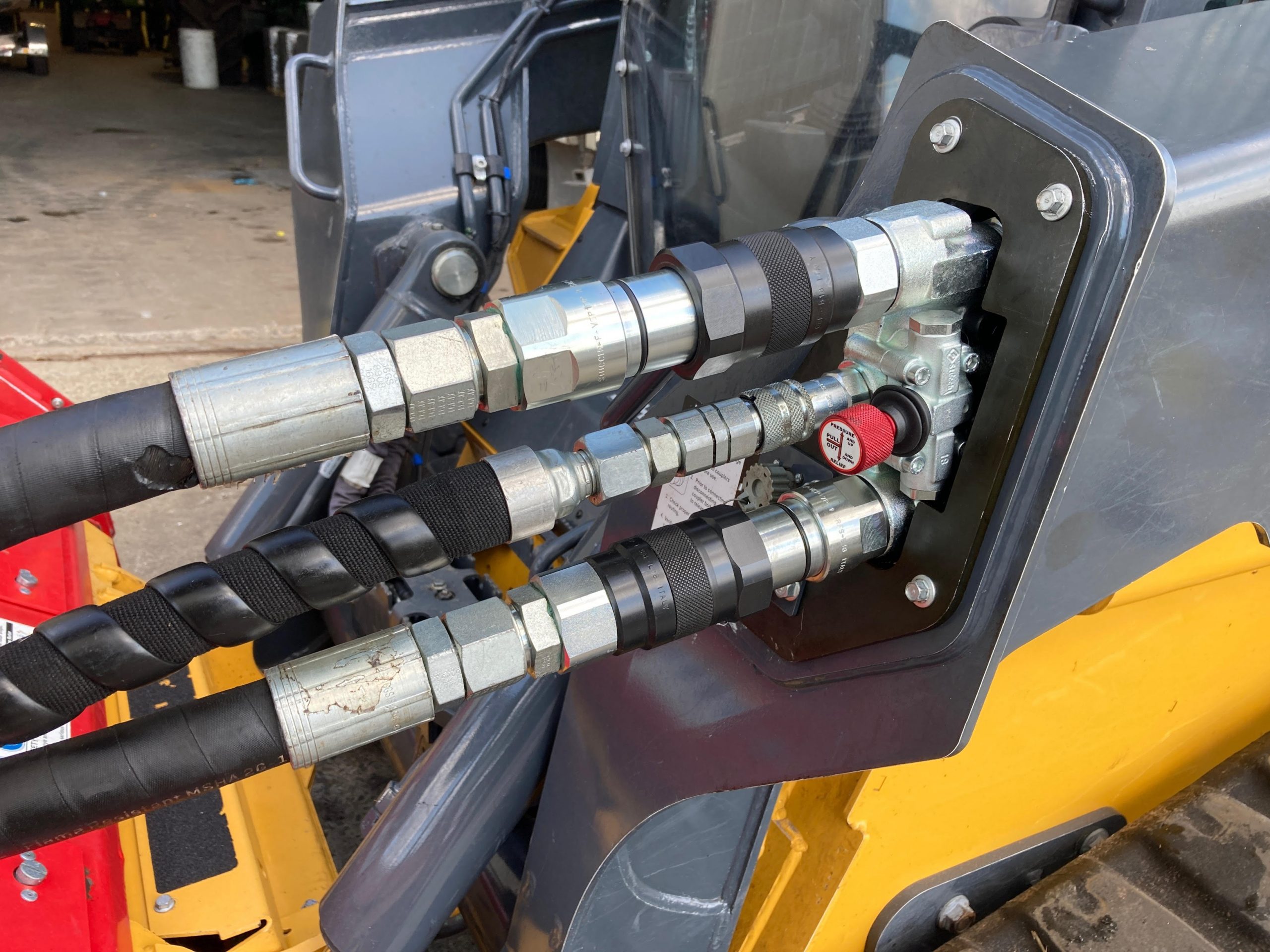
Hydraulic contamination control begins at the connection interface. Every time a hydraulic circuit is opened during attachment changes, maintenance, transport, or storage, the connection point becomes vulnerable to debris, moisture, air ingress, and fluid loss.
Watch this video to learn how clean hydraulic connection practices and properly specified components work together to support contamination control, zero-spill performance, equipment reliability, and environmental protection.
In this video, you’ll learn how several connection strategies help reduce contamination risk and improve system performance:
- Flat-face couplers that support clean-break hydraulic connections
- Connect-under-pressure technology that helps eliminate unsafe pressure-relief workarounds
- Dust caps and plugs that protect exposed coupler interfaces during idle periods
- Multi-coupling plate systems that reduce exposure time across multiple hydraulic lines
- Standard operating procedures that support consistent, zero-spill quick connect and disconnect practices
Hydraulic contamination can increase component wear, reduce efficiency, contribute to downtime, and create fluid loss risks during connection and disconnection events. By engineering cleanliness into the hydraulic connection system, OEMs, fleet operators, and maintenance teams can better protect equipment performance in demanding applications.
Learn more about system-level contamination control strategies in Stucchi’s Hydraulic Contamination Control Guide and find more resources in our Zero-Spill Section.