

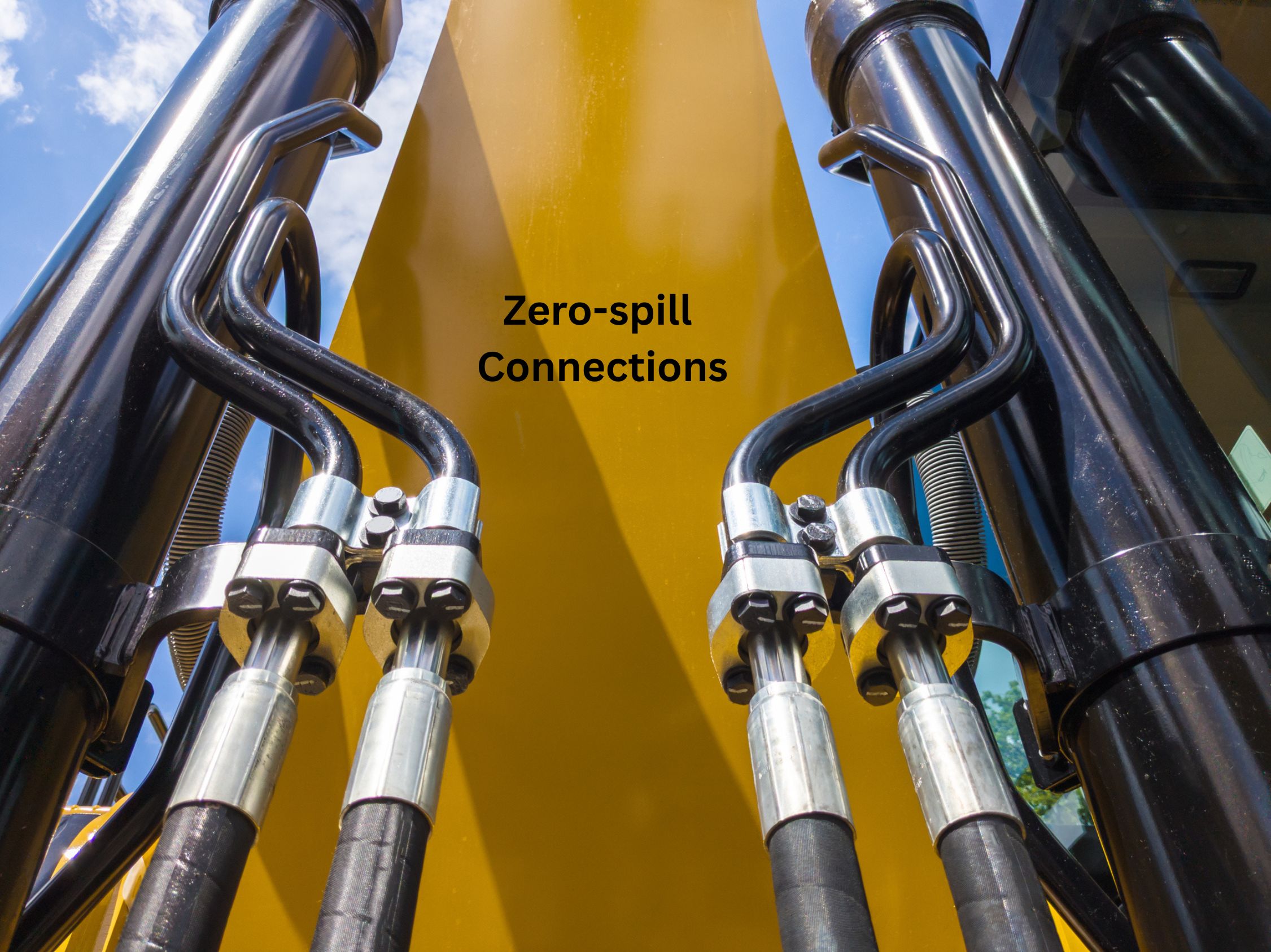
Hydraulic contamination and fluid loss frequently occur during connection and disconnection events. Each time a hydraulic circuit is opened, such as during attachment changes, maintenance, or equipment transport, the connection interface can allow debris, moisture, or air to enter the system, increasing the risk of fluid release into the surrounding environment.
Zero-spill hydraulic connection systems are designed to address both risks. By combining clean-break coupling technology, contamination-control practices, and proper connection procedures, operators can reduce fluid loss and help protect hydraulic circuits from contamination.
Stucchi develops hydraulic connection technologies and best practices that support cleaner hydraulic systems, controlled disconnection behavior, and reduced environmental impact. The resources below provide guidance on contamination control strategies and practical steps for maintaining zero-spill hydraulic connections.
Why Zero-Spill Hydraulic Connections Matter
Hydraulic systems require clean fluids to ensure optimal operation and safeguard key components like pumps, valves, and actuators. Contamination or fluid loss during connections can decrease efficiency and increase costs.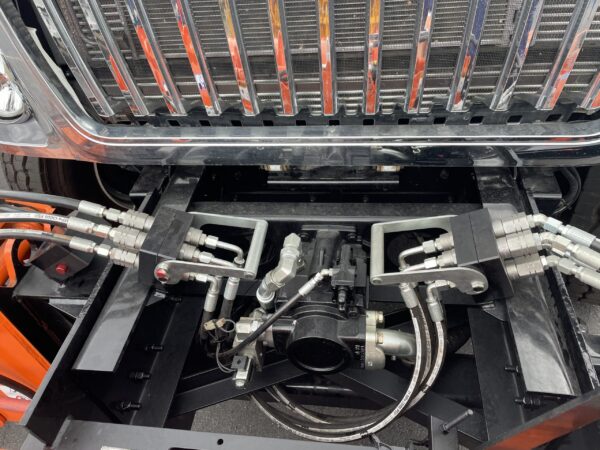
Common challenges include:
- Particulate contamination entering hydraulic circuits during connection events
- Hydraulic fluid loss during disconnect operations
- Environmental cleanup and regulatory compliance risks
- Increased maintenance and component wear
- Reduced equipment uptime and reliability
Modern hydraulic systems have tighter tolerances and higher pressures, making them more vulnerable to contamination and fluid loss. Using zero-spill connections and practices helps keep hydraulics clean and safeguards equipment and the environment.
Engineering Hydraulic Systems for Zero-Spill Performance
Zero-spill hydraulic performance is not achieved through a single component. It requires a system-level approach that combines the right hardware, protective accessories, and connection procedures.
Effective zero-spill hydraulic strategies typically include:
- Flat-face couplers designed to minimize fluid loss during disconnect
- Protective caps and plugs that shield exposed hydraulic interfaces
- Proper operating procedures during connection and disconnection events
- Contamination control practices throughout the hydraulic system
When these elements work together, hydraulic connection points become more controlled and predictable, helping operators maintain cleaner circuits and reduce fluid loss during routine operations.
Zero-Spill Hydraulic Connection Resources
The following resources provide deeper insight into contamination control strategies, hydraulic connection technologies, and best practices for maintaining zero-spill hydraulic systems:
Hydraulic Contamination Control Guide
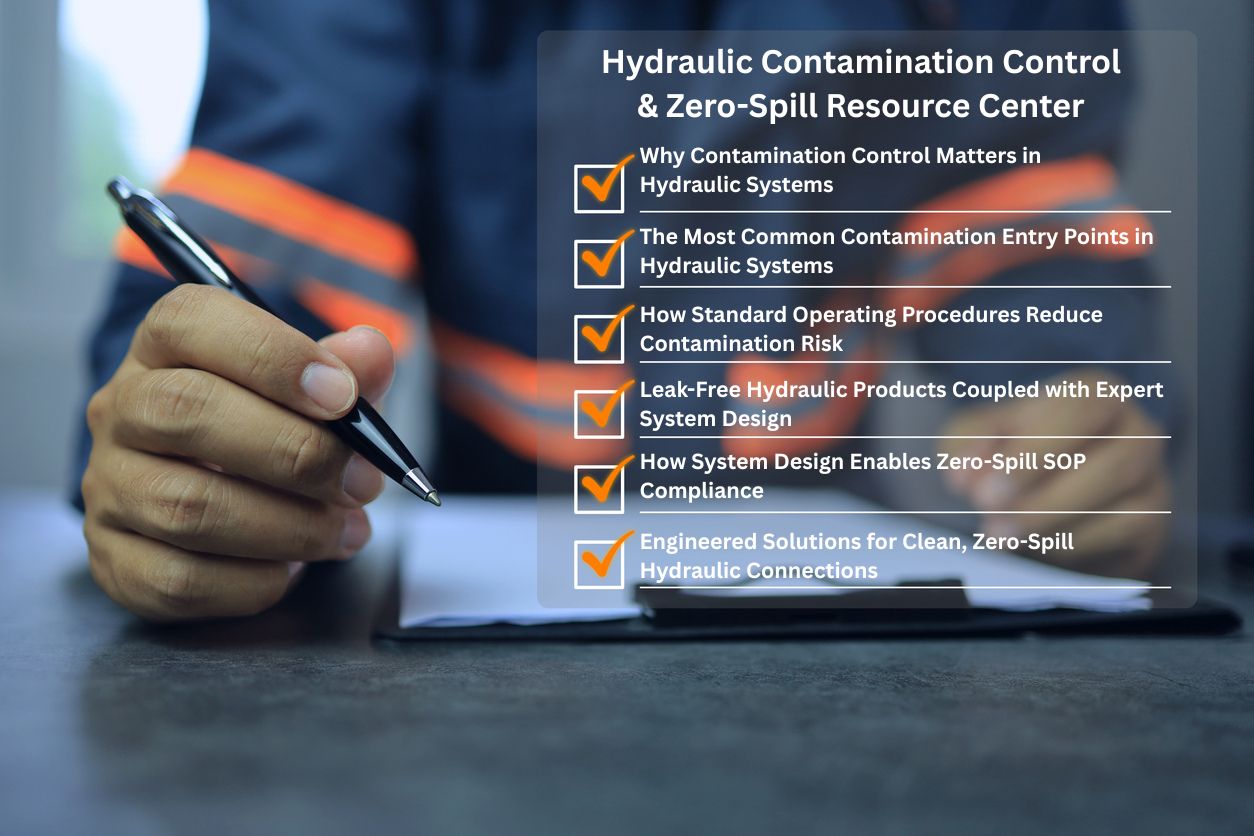 Stucchi’s Hydraulic Contamination Control Guide explains how contamination enters hydraulic systems and how connection technology, protective accessories, and operating procedures work together to maintain hydraulic cleanliness.
The guide outlines the system-level approach required to reduce exposure to contamination, improve hydraulic reliability, and protect sensitive hydraulic components.
Flat-Face Couplings & Clean-Break Technology
 Flat-face hydraulic couplers are widely used in applications where contamination control and fluid containment are important. Their flush mating surfaces and internal valve design help minimize hydraulic fluid loss and reduce exposure to contamination during connection and disconnection.
Stucchi’s guide, Flat Face Couplers: a Contamination Proof System, explains how flat-face coupler technology supports cleaner hydraulic connections across construction equipment, agricultural machinery, and industrial hydraulic systems.
How Hydraulic Quick Coupler Caps Support Zero-Spill Operation
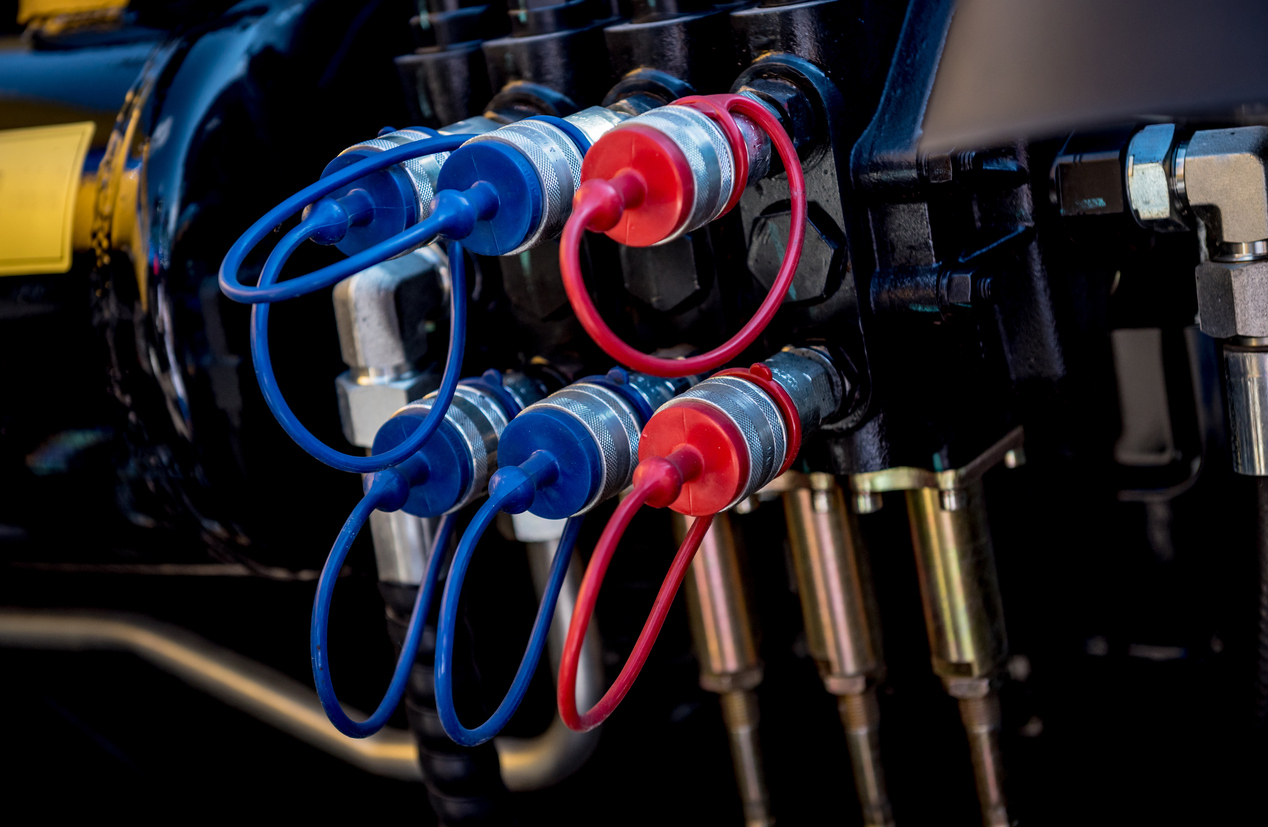 Protective caps and plugs play an important role in maintaining contamination control between connection events. When hydraulic couplers are exposed to dust, debris, or moisture, protective accessories help prevent contaminants from entering the hydraulic circuit.
Learn more in How Hydraulic Quick Coupler Caps Support Contamination Control, cleaner connection interfaces, and improve overall hydraulic system reliability.
Zero-Spill Hydraulic Operating Procedures

Connection technology alone cannot eliminate contamination risks. Proper operating procedures are also essential for maintaining clean hydraulic systems.
Standard Operating Procedures for Zero-Spill Processes outlines practical procedures to reduce exposure to contamination and limit fluid loss during hydraulic connection events.
Preventing Hydraulic Contamination in Hydraulic Systems

Hydraulic contamination remains one of the most common causes of system failure. This article explains how to Prevent Contamination in Hydraulic Systems, how contaminants enter hydraulic circuits, and describes practical strategies for maintaining hydraulic cleanliness across equipment fleets.
Building a Zero-Spill Hydraulic Strategy
Achieving reliable zero-spill performance requires more than individual components. It involves designing hydraulic systems that manage connection events in a controlled way while protecting exposed interfaces from contamination.
Key elements of a zero-spill hydraulic strategy include:
- Coupling technologies designed to minimize fluid release
- Contamination control practices during maintenance and attachment changes
- Protective accessories that shield exposed couplers
- Consistent operating procedures across equipment fleets
When these elements are combined, operators can significantly reduce exposure to contamination and fluid loss during hydraulic operations.
Talk With a Hydraulic Specialist
Stucchi engineers work with OEMs, equipment manufacturers, and fleet operators to develop hydraulic connection systems that support contamination control and zero-spill performance.
If you are evaluating hydraulic connection technologies or experiencing contamination challenges in your equipment, the Stucchi Technical Help Desk can help identify practical solutions for your application.
Stucchi designs hydraulic connection solutions that support contamination control and zero-spill performance in demanding applications. Our engineering team works with OEMs and equipment operators to develop hydraulic systems that maintain cleaner circuits and reliable operation. Contact Stucchi to discuss your hydraulic system and explore zero-spill hydraulic connection strategies.