How to Use the Stucchi Hydraulic Quick Coupler Interchange Guide
A worn or damaged hydraulic quick coupler does not always arrive with a complete specification. Maintenance teams and distributors may have an older manufacturer part …

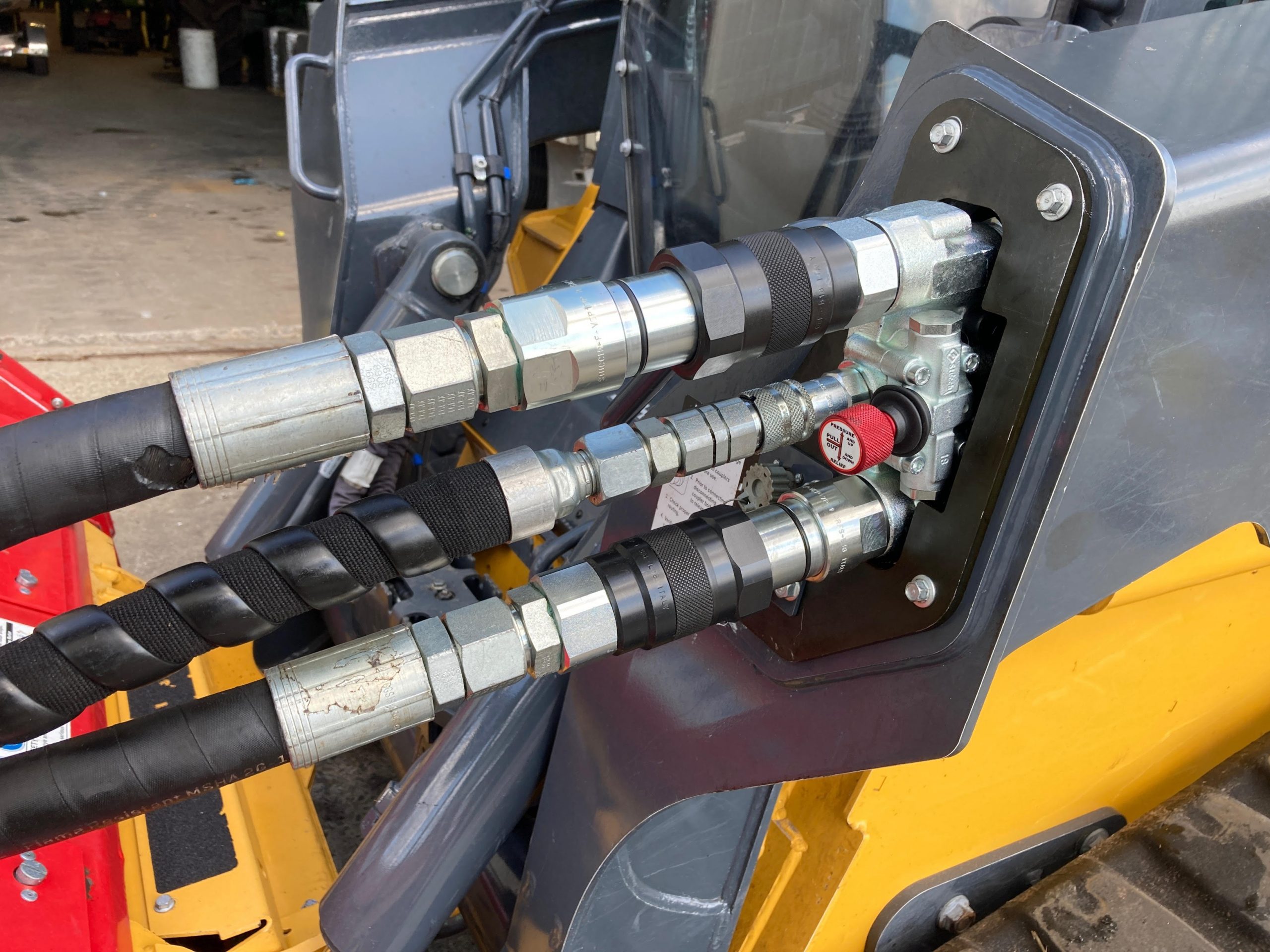
A worn or damaged hydraulic quick coupler does not always arrive with a complete specification. Maintenance teams and distributors may have an older manufacturer part …
A mixed equipment fleet can accumulate several hydraulic connection styles as machines, attachments, and replacement parts are added over time. Operators may encounter different coupler …
Why a Replacement Hydraulic Coupler May Need a Process Review A failed or leaking hydraulic coupler usually creates an urgent request: find the matching part, …
Hydraulic connection problems often manifest as overheating, leaks, difficulty changing attachments, or inconsistent tool performance. Replacing a coupler with one of the same port …
Older hydraulic equipment can often be upgraded with modern flat-face quick disconnects, but the retrofit should start with the full hydraulic connection point, not just …
Contamination is one of the primary causes of hydraulic system failure, accounting for an estimated 65–90% of failures, according to industry sources such as Hydraulics …
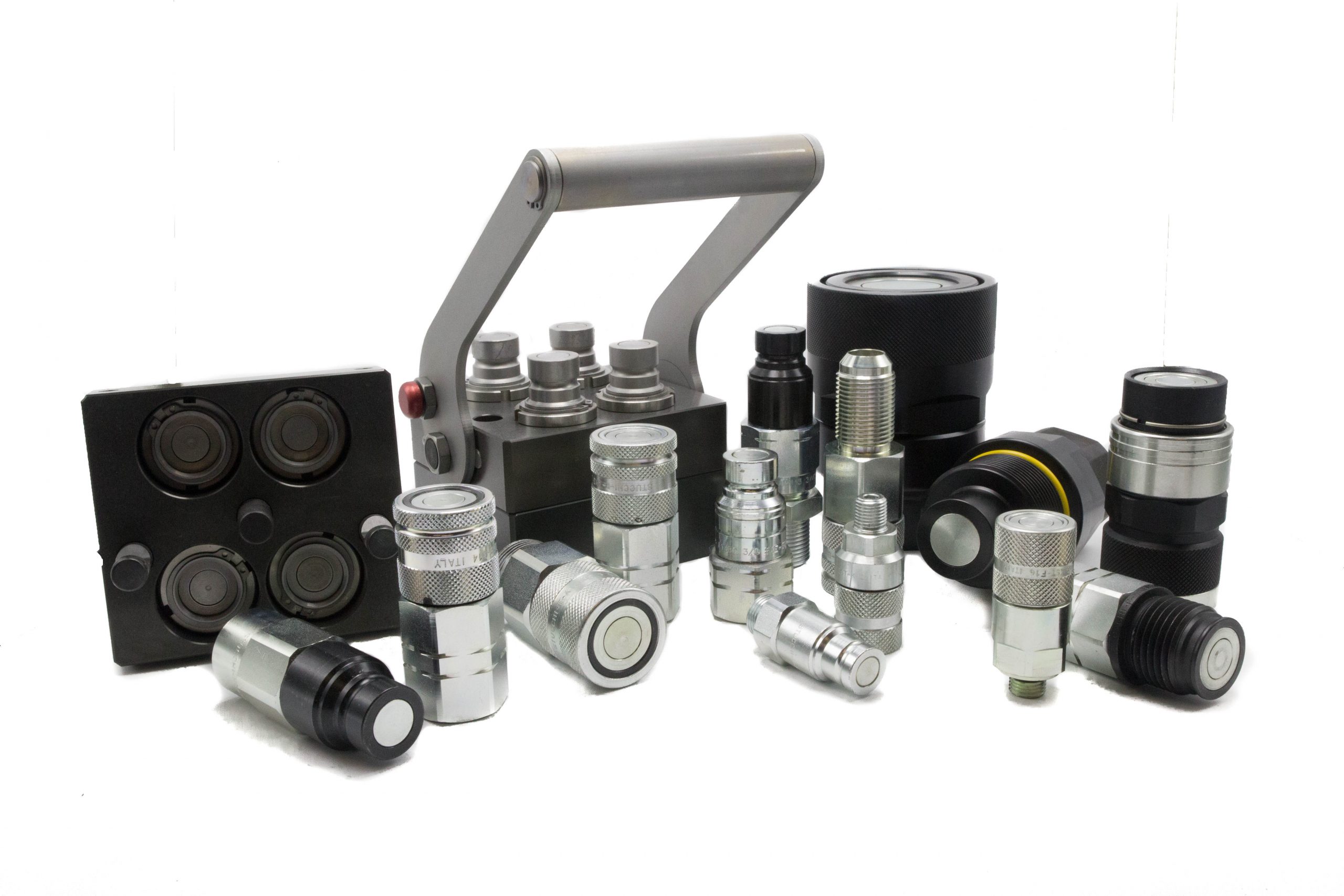
Flat-Face Couplings: Supporting Zero-Spill Connections for Contamination Control Hydraulic contamination frequently begins at the connection interface. Each time a hydraulic circuit is opened, during …
How Can Operators and Fleets Prevent Hydraulic Leaks During Quick Connect? Quick answer: Hydraulic leaks during quick-connects are usually caused by inconsistent connection procedures, trapped …
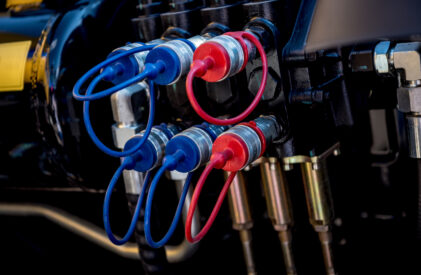
How Do Hydraulic Quick Coupler Caps Support Contamination Control? Quick Answer: Hydraulic quick coupler caps support contamination control by sealing exposed connection interfaces during disconnection, …
Mobile and industrial equipment, from snow plows and excavators to injection molding machines, depend on fast, reliable hydraulic and electrical connections. Yet as systems evolve …