




Hydraulic connection problems often manifest as overheating, leaks, difficulty changing attachments, or inconsistent tool performance. Replacing a coupler with one of the same port size may restore the physical connection without correcting the underlying condition.
A restrictive connection can generate heat. Trapped pressure can delay attachment changes. Contamination introduced during disconnect can damage components, while poor hose routing can place continual stress on the coupling interface. What appears to be an isolated coupler problem may therefore require a broader review of the hydraulic system and operating process.
The connection should be evaluated through startup, pressurized operation, shutdown, attachment changes, transport, and storage. This operating-cycle review establishes the pressure, flow, contamination control, material compatibility, and mechanical support required for safe, clean, and reliable performance.
Effective hydraulic safety and reliability begin with evaluating the connection within the complete hydraulic system.
What a Reliable Hydraulic Connection Must Manage
A hydraulic connection must control fluid under pressure without creating excessive restriction, introducing contamination, or failing under the application’s physical demands. Pressure, flow, and contamination are central to this review, but they are not the only concerns. Temperature, materials, mounting, hose movement, component condition, and environmental exposure also influence long-term performance.
Pressure Must Be Evaluated in Every Operating State

Normal operating pressure is only one part of the pressure profile. Hydraulic couplings may also encounter startup pressure, pressure spikes, repeated impulse cycles, shock loads, trapped pressure, and thermal expansion.
Working pressure represents the pressure a component is designed to handle during normal operation. Burst pressure identifies the pressure at which the component fails during testing. The difference provides a safety margin, but burst pressure is not an acceptable operating target.
A review of working and burst pressure ratings should include every component in the connection assembly. Couplers, adapters, fittings, hoses, and seals must all be compatible with the system’s pressure requirements.
Pressure ratings may also differ between connected and disconnected conditions. Both coupling halves must be safely pressurized when lines are separated, particularly at attachments that retain hydraulic pressure during storage or transport.
Flow Must Be Supported Without Excessive Restriction
Coupler size affects how much hydraulic fluid can pass through the connection and how much pressure is lost in the process. A coupling selected only by hose diameter or port thread may not provide sufficient internal flow capacity.
Pressure drop occurs as hydraulic fluid passes through hoses, couplers, adapters, valves, and other restrictions. As flow demand increases, an undersized or restrictive connection can reduce the power available at the attachment and convert useful energy into heat.
Excessive restriction may result in:
- Slower attachment response
- Reduced force or speed of the tool
- Higher hydraulic fluid temperature
- Increased fuel or energy consumption
- Accelerated wear on seals and components
- Recurring shutdowns or performance complaints
Evaluating hydraulic pressure drop at the expected operating flow helps determine whether the coupling can support the application without compromising efficiency or reliability.
Contamination Must Be Controlled at the Open Interface
The hydraulic circuit becomes vulnerable whenever a connection is opened. During attachment changes, maintenance, transport, or storage, exposed coupling surfaces can collect dirt, moisture, metal particles, and other debris.
Contamination introduced through the connection point may enter the circuit upstream of filtration. Once inside, it can damage seals, score internal surfaces, affect valve operation, accelerate component wear, and reduce fluid life.
Flat-face quick couplers reduce this exposure through smooth, flush mating surfaces that can be inspected and wiped clean before connection. Their internal valves close before the coupling halves separate, helping contain hydraulic fluid and minimize air inclusion.
Using flat-face couplings for contamination control should be part of a broader connection procedure that includes protective caps and plugs, clean storage practices, regular inspection, and consistent operator procedures.
Physical Conditions Affect Coupling Service Life
A coupling can meet the pressure and flow requirements and still perform poorly if the installation places excessive physical stress on it. Improper hose routing can pull the coupling out of alignment or apply continuous side loading. Unsupported hose weight can place stress on mounted connections. Repeated twisting, vibration, and attachment movement can accelerate wear. Restricted access may prevent the operator from confirming full engagement or cleaning the coupling faces properly.
Temperature and material compatibility must also be considered. Extreme heat or cold can change seal behavior and fluid viscosity. Hydraulic media and external chemicals may require specific seal compounds or corrosion-resistant coupling materials.
Damaged seals, worn components, misalignment, and contaminated coupling faces can cause leakage or difficulty connecting and disconnecting. These conditions should be investigated before assuming the coupling series or size is the only problem.
The S.T.A.M.P. method for selecting quick couplings provides a structured review of size, temperature, application, materials or media, and pressure.
Connection Technology Must Support the Operating Process
Coupler specifications determine whether a connection can handle the hydraulic requirements. The equipment workflow determines whether it can perform consistently in daily use. Connection frequency, residual pressure, operator access, attachment changes, and the number of circuits all influence the appropriate connection design.
Residual Pressure Requires a Controlled Solution
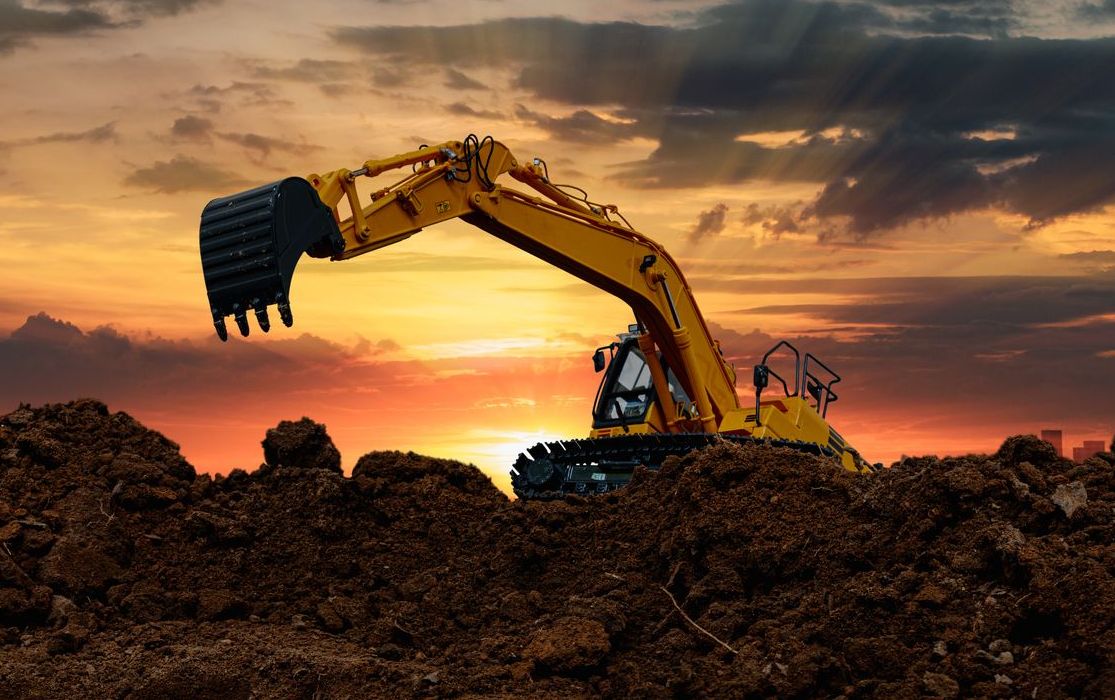 Residual pressure can remain in a hose or attachment after the machine is shut down. Pressure may also develop when trapped hydraulic fluid expands as ambient or equipment temperatures rise. The resulting force can make standard couplers difficult or impossible to connect by hand.
Operators may respond by forcing the connection, striking the coupler, loosening a fitting, or opening a hydraulic line to release pressure. These workarounds can damage components, release fluid, and introduce contamination.
Connect-under-pressure (CUP) couplers are designed to manage predictable trapped-pressure conditions. Depending on the application, the solution may use an internal pressure-relief mechanism, a threaded connection, a lever-operated multi-coupling plate, or an attachment-mounted pressure-relief manifold.
Threaded flat-face couplers such as the VEP Series support connections exposed to residual pressure and pressure impulses. Heavy-duty and locking versions provide additional durability for equipment subjected to severe vibration, torsion, and shock loads.
Secure Engagement Must Be Maintained During Operation
Applications involving operator proximity, severe vibration, hose movement, or high-pressure impulses require a connection that remains fully engaged throughout the operating cycle.
Connection security may be supported by:
- Locking sleeves
- Thread-to-connect mechanisms
- Automatic locking systems
- Visual connection indicators
- Protected mounting positions
- Hose routing that limits strain and side loading
The appropriate design depends on the complete risk profile. Pressure, flow, vibration, connection frequency, operator access, and the consequences of an unintended disconnect must be evaluated together.
High-pressure applications may require threaded or mechanically locked hydraulic fittings that provide more connection security than a standard push-to-connect design.
Multi-Line Systems Need Repeatable Connections
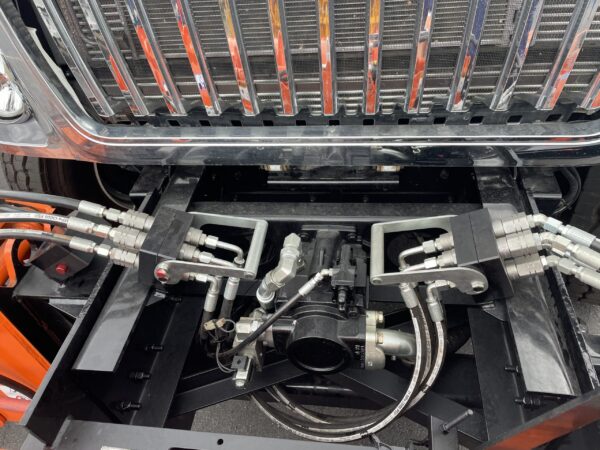 Equipment with multiple hydraulic, pneumatic, water, or electrical lines creates additional opportunities for cross-hoses, incomplete connections, fluid loss, and contamination.
Multi-coupling plates combine several circuits into one guided interface. The operator can connect multiple lines in a single controlled movement while maintaining the correct line sequence. This reduces the number of individual actions required during an attachment change, making the process more consistent across operators and shifts.
Integrated plates can also incorporate different line sizes or media within the same connection system. Automatic locking mechanisms help maintain engagement, while flat-face couplers limit fluid loss and exposure to contamination.
When standard plates or coupler arrangements do not meet the available space, flow requirements, or connection sequence, custom hydraulic solutions can integrate the necessary couplers, adapters, manifolds, mounting components, and pressure-management features.
Inspection and Maintenance Preserve Connection Integrity
Reliable coupling performance depends on the condition of the complete interface. Routine inspection should identify problems before they lead to leakage, connection difficulty, or unplanned downtime.
Inspection should include:
- Seals and mating surfaces
- Coupler bodies and locking components
- Dust caps and plugs
- Hose routing and support
- Mounting alignment
- Corrosion or impact damage
- Evidence of leakage
- Unusual connection or disconnection force
Recurring leakage or connection difficulty should not be treated as a normal part of equipment operation. It may indicate damaged components, residual pressure, contamination, improper mounting, incompatible couplers, or an unsuitable connection design.
Application Demands Determine the Connection Strategy
The same engineering principles apply across hydraulic equipment, but each operating environment places different demands on the connection. Oil and gas equipment may prioritize certified high-pressure control. Steel production adds extreme heat and multiple media. Demolition equipment combines pressure impulses, vibration, residual pressure, and frequent attachment changes.
Oil and Gas Equipment

Oil and gas drilling, extraction, and well-servicing operations rely on hydraulic power for well control, workovers, recompletions, pumps, cylinders, valves, and other critical processes. These systems may contain hundreds or thousands of hose assemblies operating under high pressure, making each connection part of a much larger reliability and fluid-containment strategy.
Couplings must withstand the application’s pressure, temperature, media, and environmental conditions while maintaining secure, leak-free performance. Multi-line systems also require clear connection sequencing. Multi-coupling plates allow several lines to be connected simultaneously while preventing crossed hydraulic circuits.
The appropriate hydraulic connections for oil and gas operations may include high-pressure couplers, threaded flat-face couplers, stainless steel components, or multi-coupling plates selected for the specific drilling, extraction, or well-service process.
In this Stucchi case study featuring an oil and gas service provider, a truck carried 10 to 15 hoses, and a single crossed connection could cause extensive equipment damage and up to 2 days of downtime. Stucchi developed a customized, heavy-duty multi-coupling plate that prevented cross-connections and withstood oilfield conditions, helping the customer restore full-capacity operation and achieve fleet utility rates as high as 90%.
Steel Production
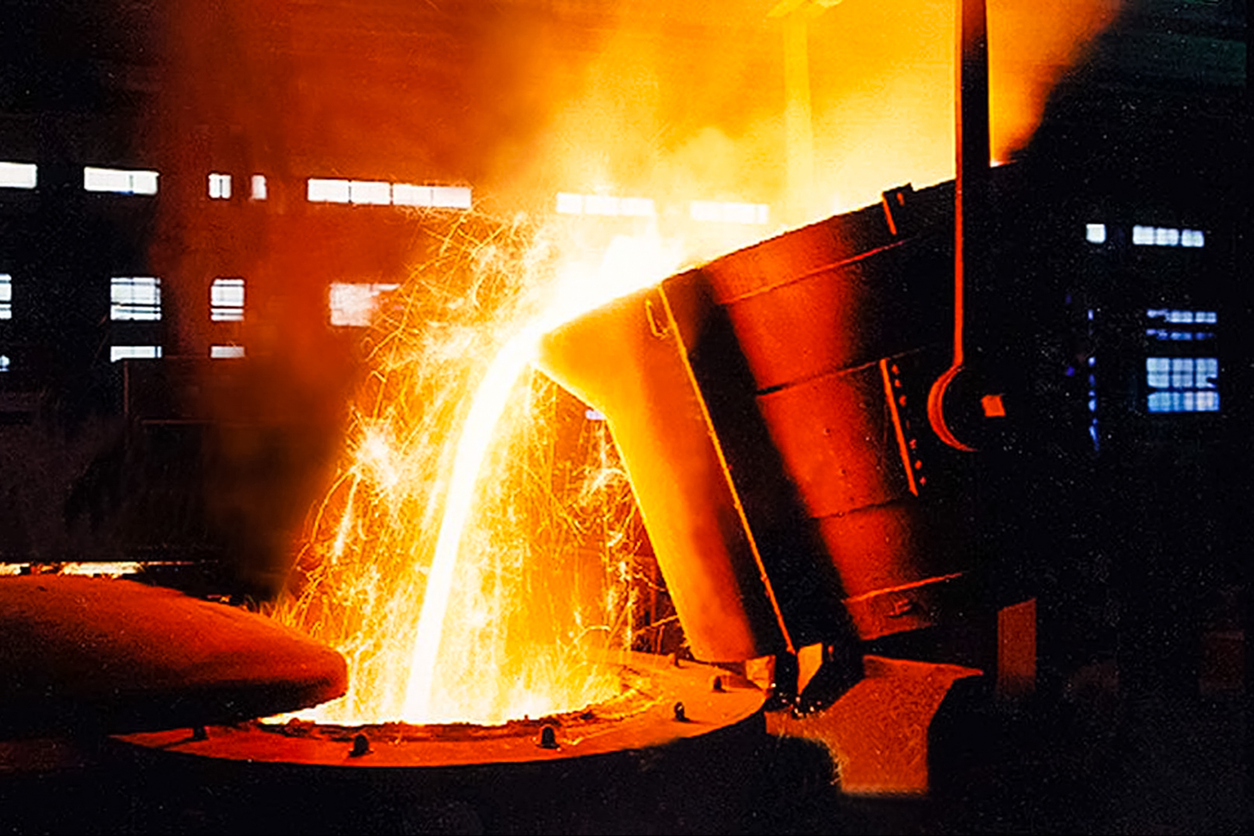
Steel mills combine heat, contamination, heavy production demands, and limited maintenance windows. Hydraulic, pneumatic, and water lines may support ladles, casting equipment, rolling operations, cooling systems, and other production processes.
Threaded flat-face couplers provide durable connections for demanding pressure conditions and larger hydraulic lines. Multi-coupling plates allow several hydraulic, pneumatic, or water circuits to be connected simultaneously without crossing individual lines.
A connection strategy designed for safety and productivity in steel mills must account for temperature, media, pressure, contamination, access, and repeated connection cycles.
Demolition and Heavy Mobile Equipment

Demolition equipment exposes hydraulic connections to impact loads, vibration, torsion, pressure spikes, residual pressure, and repeated attachment changes. Breakers, shears, processors, crushers, and high-reach tools depend on auxiliary hydraulic circuits that can maintain secure connections and sufficient flow under severe conditions.
Threaded flat-face couplers are well-suited to many of these applications because the threaded mechanism resists movement during vibration, while the flat-face valve design limits fluid loss and exposure to contamination.
Heavy-duty locking couplers, such as the VEPHDL Series, provide connection security and visual confirmation. Multi-coupling plates can simplify boom assembly, equipment transport, and attachment changes involving several circuits.
Reliable hydraulic connections for demolition equipment must balance durability, pressure capability, flow performance, residual-pressure management, and serviceability.
Build Safety and Reliability into the Complete System
Hydraulic safety and reliability do not come from one coupling feature. They result from matching the complete connection system to the equipment, operating environment, hydraulic requirements, and service process.
A complete review should include:
- Working pressure and pressure spikes
- Connected and disconnected pressure conditions
- Required flow and acceptable pressure drop
- Fluid and environmental temperatures
- Residual pressure during connection
- Media, seal, and material compatibility
- Vibration, impact, rotation, and hose movement
- Connection frequency and operator access
- Hose routing, mounting, and physical support
- Contamination exposure and cleaning procedures
- Inspection and maintenance requirements
- The number and sequence of lines being connected
Some applications can be addressed with a properly selected standard coupler. Others require threaded flat-face technology, connect-under-pressure capability, locking mechanisms, multi-coupling plates, pressure-relief components, or a custom assembly.
Stucchi engineers hydraulic connection solutions that ensure secure connections, control contamination, enable efficient flow, and support reliable equipment operation. Our hydraulic specialists work with OEMs, equipment manufacturers, distributors, and operators to evaluate pressure, flow, operating conditions, and connection requirements. Contact Stucchi to develop a safer, cleaner, and more reliable hydraulic connection strategy for your equipment.
