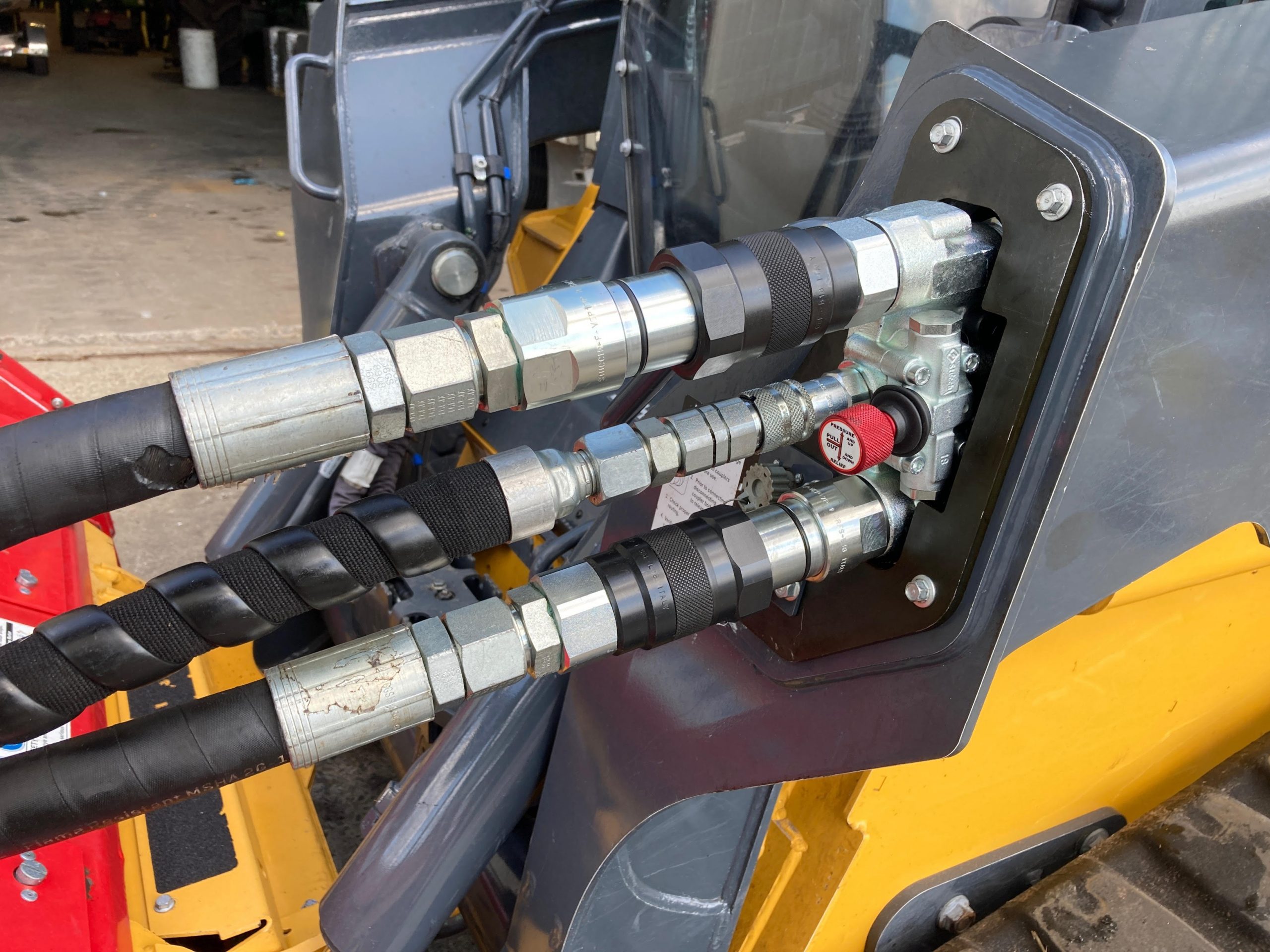
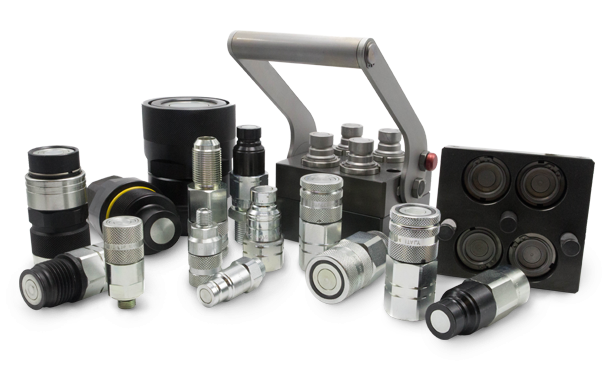
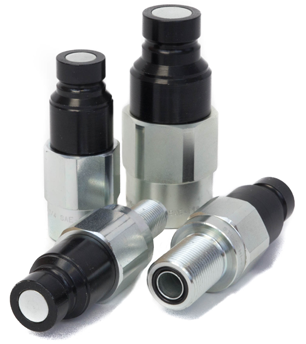
Choosing the right quick coupling for hydraulic systems can often seem like navigating a labyrinth, with a myriad of specifications and conditions to consider. The S.T.A.M.P. method offers a clear, structured pathway through this complexity, ensuring that every critical aspect of coupling selection is addressed. With Stucchi’s expertise at your disposal, this method not only simplifies the process but also guarantees the reliability and efficiency of your hydraulic connections.
What is the S.T.A.M.P. Method?
Selecting the appropriate quick coupling is crucial for optimal performance and safety of hydraulic systems. Given the variety of options available, making the right choice can be a complex task fraught with technical nuances and practical considerations. The S.T.A.M.P. method is a systematic approach that simplifies this decision-making process by breaking it down into manageable elements encompassing:
Size
Temperature
Application
Materials/Medium
Pressure
Stucchi provides the tools and products combined with the expertise of technical representatives ready to assist customers in navigating the quick coupler selection process using the S.T.A.M.P. method. This support ensures that each selection is customized to meet the specific needs of your hydraulic system, enhancing both performance and safety.
S.T.A.M.P. Method Explained
The S.T.A.M.P. method is a structured approach designed to guide the selection of quick couplings for hydraulic systems, ensuring that all critical aspects are considered to optimize performance and reliability. Each letter in the acronym S.T.A.M.P. represents a fundamental factor that must be evaluated when choosing the appropriate quick coupling:
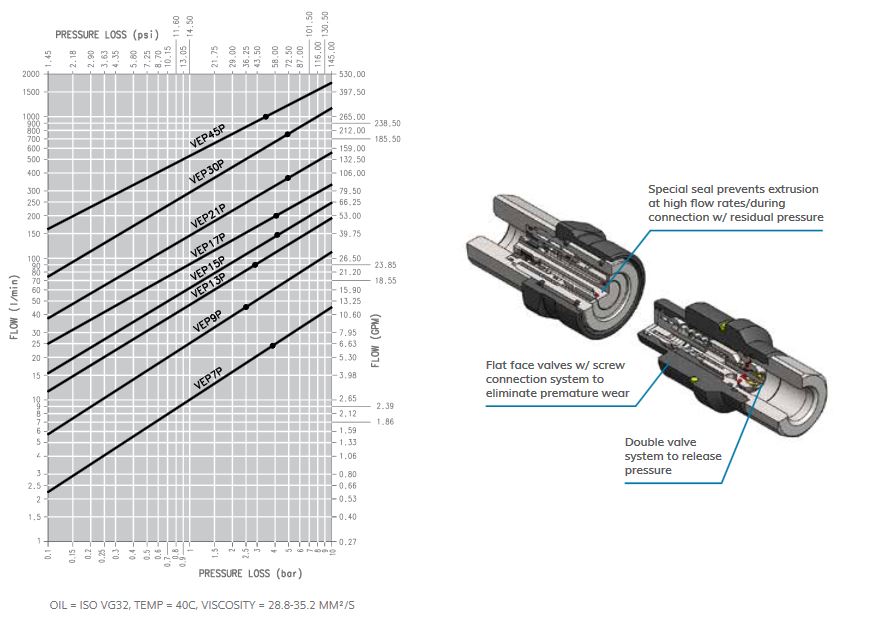
S = Size: The size of the quick coupling is critical as it must be adequate to handle the flow rate without causing excessive pressure loss or heat generation. This includes considering the nominal inside diameter for optimal fluid flow and the outer dimensions to ensure it fits within the system’s spatial constraints.
T = Temperature: Temperature plays a dual role, influencing both the medium within the couplings and the environment around them. Selecting the right materials and seals that can withstand these temperatures is crucial to maintaining integrity and functionality under varying operational conditions.
A = Application: The specific application dictates several design considerations, including the frequency and intensity of pressure impulses, the flow direction, how often connections and disconnections occur, and any external forces that may affect the coupling. Each application may require different features in a quick coupling to address these unique challenges.
M = Materials / Medium: The materials used for the quick coupling must be compatible with the medium it will encounter, whether it is hydraulic oil, gases, or other substances. Corrosive environments require corrosion-resistant materials like stainless steel or brass to prevent degradation and failure.
P = Pressure: The pressure rating of the coupling must match or exceed the maximum working pressure and burst pressure demands of the hydraulic system. It is essential to consider the pressures in all states—connected, disconnected, and under residual pressure—to ensure safety and functionality.
By systematically addressing each of these factors using the S.T.A.M.P. method, you can ensure a thorough and effective selection process, leading to the reliable and efficient operation of hydraulic systems. This method helps to organize and simplify the decision-making process, making it more manageable and less prone to errors.
Selecting the correct size of a quick coupling is crucial for maintaining the efficiency and effectiveness of a hydraulic system. The size directly influences the internal flow diameter, which is essential for optimizing fluid flow. A properly sized coupling ensures that the fluid moves through the system with minimal pressure loss and heat generation, which can otherwise lead to inefficiencies and potential system damage.
In addition to the internal flow diameter, the overall length and exterior dimensions of the quick coupling must also be considered. These dimensions must be compatible with the available space within the hydraulic system, ensuring that the coupling can be easily accessed and manipulated. Ergonomic considerations are also paramount; the coupling should allow for easy, safe connections and disconnections without putting strain on the operator. This not only enhances safety but also improves the overall usability and maintenance of the system.
T for Temperature
Temperature is a dual-faceted consideration in the selection of quick couplings, affecting both the medium being transported and the external environment.
Medium Temperature Range: The temperature range of the hydraulic medium is critical for selecting the proper sealing materials within the coupling. Seals must be able to withstand the full range of operating temperatures without degrading. For instance, if a system operates at high temperatures, the seals should be made from materials that can maintain their integrity and elasticity under such conditions to prevent leaks and failures.
Environmental Temperature Range: The external or environmental temperature can significantly affect the handling and durability of a coupling. In environments with extreme temperatures, the materials used in the coupling must be able to endure without becoming too brittle (in cold environments) or too soft (in hot environments). This is crucial not only for the longevity of the coupling but also for safety during manual handling and operation. High or low temperatures can also impact the selection of seal materials, as some materials may become less effective or deteriorate faster under certain temperature conditions.
By carefully considering both the medium and environmental temperatures, you can ensure that the selected quick couplings will perform reliably and maintain their integrity over their operational lifespan.
A for Application
The specific application of a quick coupling plays a crucial role in determining its optimal design and features. Various factors need to be considered to ensure that the coupling meets the demands of its intended use:
Pressure Impulse Frequency and Intensity: The frequency and intensity of pressure impulses that a coupling will endure are critical factors. High-frequency pressure variations demand robust designs that can withstand such dynamic changes without failure.
Flow Direction and Changes: The direction of the fluid flow and any changes in direction (such as in systems with multiple branching paths) influence the type of coupling needed. Couplings should facilitate smooth flow transitions to maintain efficiency and minimize wear.
Connection and Disconnection Frequency: How often a coupling is connected and disconnected influences the choice of coupling type. Frequent coupling and uncoupling require durable mechanisms that can maintain a high level of performance over many cycles without compromising the hydraulic system’s integrity.
External Loading or Rotating Forces: Any external forces, such as vibration or rotational stresses, that might be applied to the coupling must be considered. These forces can affect the coupling’s longevity and functionality, requiring specialized designs that can tolerate such conditions.
Each application may necessitate different coupling features to address these challenges effectively. For instance, a system that experiences frequent and intense pressure fluctuations might benefit from couplings designed with enhanced flexibility and pressure resistance. Understanding these application-specific requirements is essential for selecting the most suitable quick coupling.
M for Materials / Medium
The selection of materials for quick couplings is critical to ensure compatibility with the medium they will transport and the environment in which they operate. Factors to consider include:
Compatibility with Medium: The materials used in the construction of quick couplings must be suitable for the type of medium they will carry. For example, hydraulic oil, gases, and other substances may require different materials based on their chemical properties. The material choice affects the coupling’s resistance to wear and corrosion, which in turn impacts its durability and reliability.
Corrosion Resistance: In environments where corrosive substances or conditions are present, selecting corrosion-resistant materials such as stainless steel, brass, or aluminum is crucial. These materials prevent degradation and extend the life of the coupling, even under harsh conditions.
Seal compatibility is also a significant factor, as the seals within the couplings must effectively contain the medium without leaking. This requires materials that can maintain their sealing properties across the medium’s temperature and chemical range. For instance, seals in couplings used for transporting corrosive fluids may need to be made from specialized polymers that can resist chemical attack.
By carefully choosing the right materials and considering the medium’s properties, quick couplings can be optimized for performance, durability, and safety, ensuring they function effectively within their designated applications.
P for Pressure
Properly matching the pressure ratings of quick couplings with the specific requirements of an application is essential for maintaining system integrity and safety. Understanding and applying the correct pressure parameters can prevent premature failures and ensure optimal performance.
Matching Working and Burst Pressure Ratings
Working Pressure: The working pressure rating of a quick coupling should at least match, if not exceed, the maximum operating pressure of the hydraulic system under normal conditions. This ensures that the coupling can handle the regular demands of the system without risk of leakage or failure.
Burst Pressure: The burst pressure rating is equally critical as it indicates the maximum pressure the coupling can withstand before failing. Typically, the burst pressure is several times higher than the working pressure, providing a safety margin to accommodate unexpected pressure spikes. This is vital for preventing catastrophic failures in the event of system malfunctions or sudden pressure surges.
Implications of Different States and Residual Pressure
Pressure in Different States: The pressure ratings might vary when the coupling is connected versus when it is disconnected. It’s important to consider the pressure ratings for both halves of the coupling in their connected and disconnected states. This ensures that both ends can independently withstand the system’s pressure without compromising the overall integrity of the coupling assembly.
Role of Residual Pressure: In many hydraulic systems, residual pressure can remain within the coupling even when the system is turned off or disconnected. If not properly accounted for, this residual pressure can make reconnecting difficult or lead to sudden discharges when disconnecting, posing safety risks. Selecting a quick disconnect that is capable of handling or relieving residual pressures is crucial for safe operations. Some couplings are specifically designed to connect under residual pressure, facilitating easier and safer connections and disconnections under such conditions.
By carefully considering these aspects of pressure in the selection process, you can ensure that the chosen quick couplings are perfectly suited to the application’s demands, enhancing the hydraulic system’s safety and efficiency.
Applying the S.T.A.M.P. method when selecting quick couplings ensures a thorough and effective approach to match your hydraulic system’s needs. Here’s a step-by-step guide to help you use this method effectively:
Size:
Document the flow requirements and spatial constraints of your system.
Analyze the nominal inside diameter needed for efficient fluid transfer and check the dimensions to ensure the coupling fits within the system without hindering other components.
Temperature:
Record the operating temperature range of the medium and the environmental conditions.
Select materials and seals that can withstand these temperatures without degradation.
Application:
Detail the specific operational conditions such as pressure impulses, flow direction, and frequency of connection/disconnection.
Determine the type of coupling that best suits these operational demands, focusing on durability and ease of use.
Materials/Medium:
Identify the chemical properties of the fluids in use.
Choose coupling materials that are compatible with these properties to prevent corrosion and ensure longevity.
Pressure:
Measure the maximum working and burst pressures of your system.
Match these measurements with the pressure ratings of the couplings, considering both connected and disconnected states.
Tips for Documentation and Analysis:
Keep a detailed log of all system requirements and potential coupling specifications.
Use comparison charts to evaluate different couplings against your system’s S.T.A.M.P. criteria.
Consult with technical experts if the analysis reveals unusual or borderline cases where standard solutions may not suffice.
FAQs When Selecting Hydraulic Quick Couplers
What couplers are recommended for cold-weather applications below -40°C (-40°F)?
For extreme cold-weather applications below -40°C (-40°F), hydraulic quick couplers must be engineered with materials and seals that maintain elasticity, sealing force, and structural integrity in freezing conditions. This typically requires high-performance metals paired with extreme-temperature seal compounds designed to remain flexible and leak-free at very low temperatures.
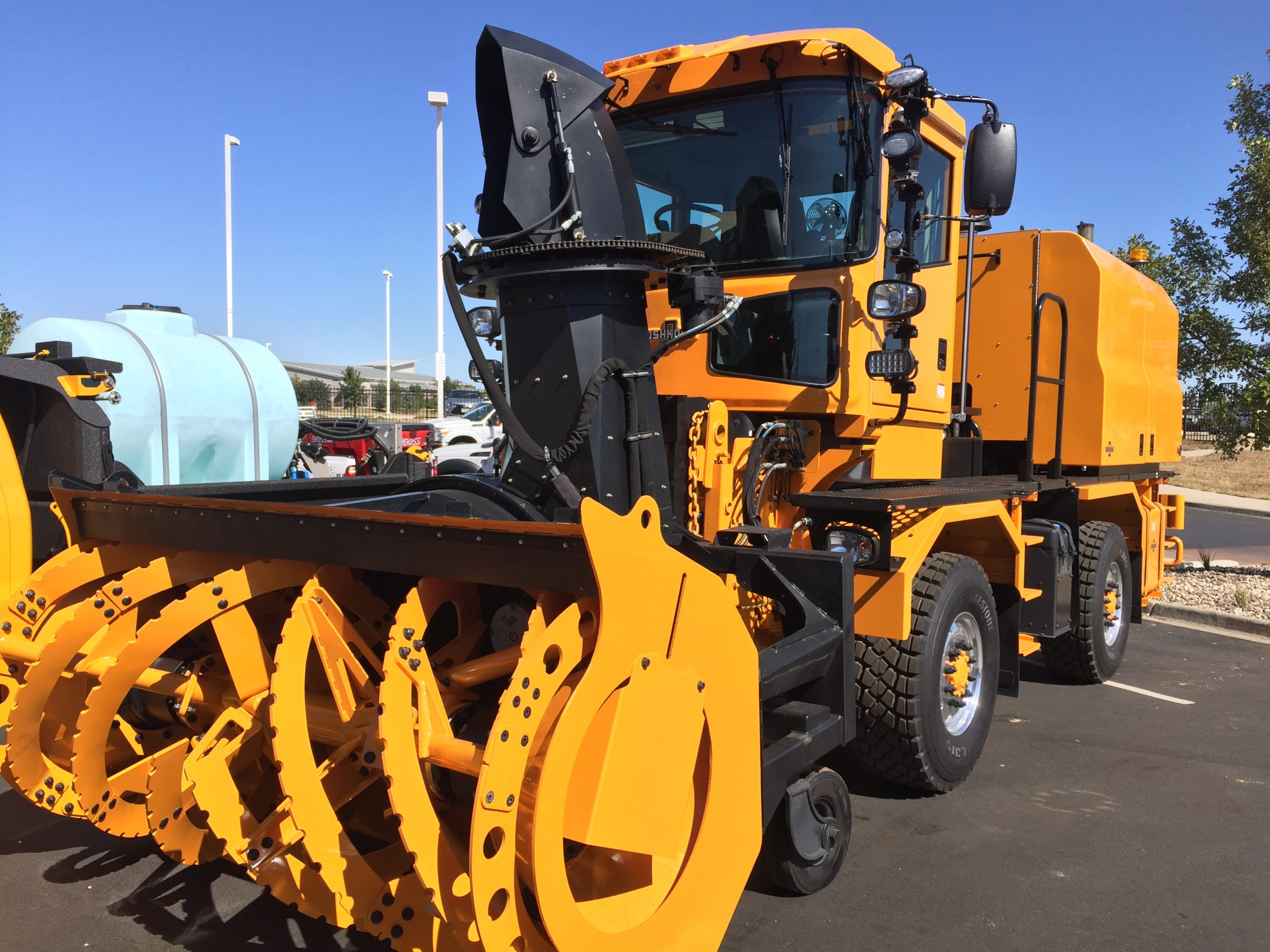
Stucchi supports cold-weather and snow-equipment applications by helping OEMs and operators select, engineer, and validate coupler solutions appropriate for vibration, pressure spikes, and severe thermal contraction. Stucchi works with our customers to select the proper hydraulic quick-connect products for their applications.
Learn more about how the temperature of your medium and the environment affect coupler selection and performance. Stucchi helps OEMs and operators select, design, and validate coupler solutions for cold-weather and snow-equipment applications, ensuring performance under vibration, pressure spikes, and thermal contraction. We assist with selecting hydraulic quick-connect products, prototype engineering, application review, and distributor support.
Contact a Stucchi hydraulic specialist for reliable cold-weather quick-connect solutions that prevent downtime with zero fluid spills, ensuring contamination control.
What flat-face couplers are suitable for ISO 16028 interchange and high-flow demands?
ISO 16028 defines interchangeability and flat-face, zero-spill performance, not flow rate. The standard ensures that couplers from different manufacturers will mate correctly and deliver leak-free connections and disconnections, supporting contamination control and environmental protection. It does not, however, guarantee high-flow performance on its own.
For high-flow applications such as skid steers, excavators, and other heavy equipment, ISO 16028 couplers must also be engineered beyond the base standard to handle higher flow capacity, elevated operating pressures, and reduced pressure drop. This is where application-specific engineering becomes critical.
Stucchi flat-face couplers meet ISO 16028 interchange requirements while being engineered to support higher flow rates, stable sealing at elevated pressures, and zero-spill operation under demanding duty cycles. Our flat-face design, originally developed by Stucchi and later adopted as the ISO 16028 standard, prevents fluid discharge during connection and disconnection, eliminates air inclusion, and helps keep contaminants out of the hydraulic circuit.
Because ISO compliance alone does not address flow efficiency, Stucchi applies engineering analysis to evaluate factors such as flow rate, pressure drop, cycle frequency, and attachment requirements. Using the STAMP Method, Stucchi specialists help OEMs, fleet operators, and equipment dealers specify ISO 16028-interchangeable couplers that also deliver the flow performance, zero-spill reliability, and contamination control required by the application.
Read more about ISO16028 and how Stucchi’s design became the international standard. Stucchi provides OEM engineering support, technical consultation, and distributor alignment to ensure the selected coupler integrates seamlessly into the full hydraulic system.
What couplers minimize operator effort during connection at high residual pressure?
Residual hydraulic pressure is a common field challenge that can make coupling difficult, time-consuming, and unsafe. Operators often resort to forcing connections or cracking fittings to relieve pressure, which increases the risk of fluid release, contamination ingress, and component damage. In high-performance hydraulic systems, this directly impacts uptime, safety, and system reliability.
Stucchi addresses these challenges with connect-under-pressure (CUP) hydraulic coupling solutions engineered to maintain zero-spill performance while supporting advanced contamination control practices. Rather than treating pressure as an afterthought, Stucchi approaches CUP as a system-level requirement, analyzing pressure conditions, duty cycles, and connection frequency to specify the most effective solution for the application.
Stucchi’s CUP product portfolio includes multiple technologies designed to reduce operator effort while preserving sealed, controlled hydraulic interfaces: APM Series flat-face CUP couplers use an internal multi-valve system that safely relieves trapped pressure during connection, enabling hand-force connection while maintaining zero-spill, contamination-controlled operation.
A-HD Series CUP couplers support manual connect-under-pressure service in demanding environments where operator safety and cleanliness are critical. VEP and VEPHD thread-to-connect flat-face couplers provide mechanical advantage for connection under pressure on one or both sides of the circuit, making them ideal for higher-pressure applications and frequent connections.
These CUP solutions eliminate the need for manual bleeding, reduce physical strain on operators, and prevent fluid discharge or air ingress during connection. See Stucchi’s CUP technologies for more information. As with all Stucchi hydraulic solutions, CUP coupler selection is guided by engineering analysis. Stucchi supports OEMs, distributors, and fleet operators through application review, pressure evaluation, and contamination-control planning to ensure the right CUP technology is specified for the system, not just the connection. Technical support is available through Stucchi’s Technical Help Desk.
What couplers are best for demolition with high-impact loads?
Demolition applications place extreme demands on hydraulic systems due to constant shock loading, vibration, and pressure spikes from breakers, shears, and high-reach attachments. In these environments, hydraulic connections must maintain zero-spill performance and robust contamination control to protect system reliability, operator safety, and jobsite uptime.
Stucchi provides complete hydraulic solutions for demolition applications, partnering with operators, OEMs, and equipment dealers to design systems that perform reliably in high-impact conditions. Our portfolio of heavy-duty flat-face and threaded flat-face locking couplers is engineered specifically for high-impulse, high-vibration service, delivering secure, pressure-stable connections that withstand extreme operating stresses while preventing fluid discharge during operation and attachment changes.
Coupler selection in demolition is never one-size-fits-all. Factors such as impulse frequency, attachment type, flow requirements, and operating pressure must be evaluated together to ensure long-term system performance. Through the STAMP Method, Stucchi applies engineering analysis, pressure-drop evaluation, and application expertise to specify coupling solutions that support zero-spill operation, effective contamination control, and consistent hydraulic performance in demanding demolition environments.
For complex projects involving mixed fleets or rented equipment, Stucchi extends beyond component selection to provide system-level support, ensuring full interchangeability and seamless integration across machines and attachments. This bridge demolition case study demonstrates how this consultative approach delivers reliable, interchangeable hydraulic systems designed for uptime, cleanliness, and safety.
Resources and Further Reading
For more detailed information about the sizes, types, and specifications of Stucchi’s hydraulic couplers, the following resources are invaluable:
Stucchi Product Charts and Specifications: View products on the website to access detailed product charts and view the Specifications page for port types and coupler sizes. These resources provide comprehensive information on dimensions, materials, pressure ratings, and other critical specifications.
Stucchi Knowledge Base: For deeper insights into hydraulic coupling specifications, visit the Stucchi Knowledge Base. Here, you can find extensive articles and guidance on choosing the right couplings for any application.
These resources are designed to support you in making informed decisions, ensuring that every coupling you select is perfectly suited to your hydraulic system’s requirements.
The S.T.A.M.P. method offers a systematic and reliable approach to selecting the right quick couplings for your hydraulic systems. By carefully evaluating each aspect—Size, Temperature, Application, Materials/Medium, and Pressure—you ensure that the selected couplings not only fit the operational needs but also enhance system performance and reliability. This methodical approach minimizes the risk of component failure and optimizes functionality, safeguarding your hydraulic systems against potential issues.
Stucchi’s comprehensive range of quick couplings, combined with our detailed product specifications and expert guidance, ensures that you have all the resources needed to make the best selection. For personalized assistance or more information on using the S.T.A.M.P. method for your specific applications, visit our website or contact a Stucchi technical representative. We are dedicated to providing solutions that meet your hydraulic needs with precision and reliability.
Manage Cookie Consent
We use cookies to optimize our website and our service.
Functional cookies
Always active
The technical storage or access is strictly necessary for the legitimate purpose of enabling the use of a specific service explicitly requested by the subscriber or user, or for the sole purpose of carrying out the transmission of a communication over an electronic communications network.
Preferences
The technical storage or access is necessary for the legitimate purpose of storing preferences that are not requested by the subscriber or user.
Statistics
The technical storage or access that is used exclusively for statistical purposes.The technical storage or access that is used exclusively for anonymous statistical purposes. Without a subpoena, voluntary compliance on the part of your Internet Service Provider, or additional records from a third party, information stored or retrieved for this purpose alone cannot usually be used to identify you.
Marketing
The technical storage or access is required to create user profiles to send advertising, or to track the user on a website or across several websites for similar marketing purposes.